




The benefits of broccoli microgreens

Rich in nutrients

Antioxidant properties

anti-inflammatory effect

Supporting heart health

Promoting digestion
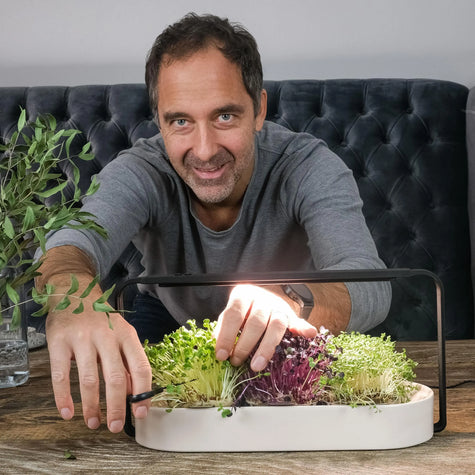
Broccoli microgreens are a delicious and nutrient-rich superfood that can be easily grown at home – all year round. There are numerous compelling reasons to include broccoli microgreens in your diet, including their exceptional health benefits and effortless cultivation. Growing these tiny superfoods is a simple and enjoyable way to boost your overall well-being and strive for a healthier lifestyle.
Christian, Founder - March 1, 2025

1) Broccoli microgreens have anti-inflammatory properties.
Broccoli microgreens contain a high amount of sulforaphane , a compound found in cruciferous vegetables like broccoli. According to some studies , sulforaphane has anti-inflammatory properties and may help prevent certain types of cancer.
Sulforaphane may help increase the production of natural killer cells (NK cells) – a type of white blood cell that helps fight viral infections and cancer.
Besides sulforaphane, these tiny superfoods also contain other important nutrients essential for a healthy immune system. These include vitamins A, C, and K, as well as minerals such as calcium and potassium.
The vitamin C, sulforaphane and other nutrients contained in these microgreens work together to support immune function and fight infectious diseases as well as other health problems.
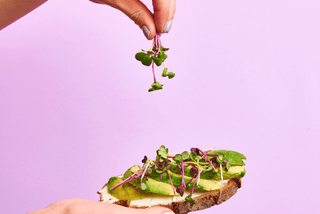
2) Broccoli microgreens are rich in nutrients
This superfood is a good source of vitamins B6, C and K1, as well as folic acid, lutein, magnesium and manganese.
Adequate intake of vitamins and minerals is associated with a lower risk of chronic diseases and promotes longevity and general well-being.
Including these little superfoods in your daily diet is a simple and delicious way to increase your nutrient intake and benefit from the many health advantages they offer.
Scroll down to see our very own nutritional analysis of our broccoli microgreens !
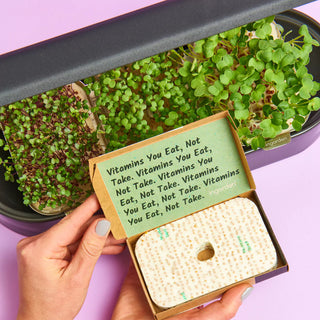
3) Broccoli microgreens have antioxidant properties
Broccoli microgreens contain antioxidants and anti-inflammatory compounds that can help strengthen the immune system and protect against disease.
Antioxidants neutralize free radicals, preventing them from causing cell damage. They also help strengthen the immune system and reduce inflammation – both of which are important for maintaining overall health.
A diet rich in antioxidants is associated with a lower risk of chronic diseases such as heart disease, cancer, and Alzheimer's.
Besides broccoli microgreens, berries, dark chocolate and green tea also contain many antioxidants.
Overall, consuming these little superfoods can be a simple and delicious way to increase antioxidant intake and protect the body from cell damage caused by free radicals.
4) Broccoli microgreens support heart health
Broccoli microgreens contain compounds such as vitamin E, which have cholesterol-lowering properties and may help reduce the risk of heart disease.
Heart disease is one of the leading causes of death worldwide, and a healthy diet is one of the most effective ways to reduce the risk of this disease.
Overall, incorporating broccoli microgreens into your diet can be a simple and effective way to support heart health. The fiber and antioxidants in this microgreen work together to lower cholesterol, reduce inflammation, and protect against oxidative stress. All of this can help lower the risk of heart disease.

5) Broccoli microgreens support gut health
Gut health is crucial for overall well-being, and consuming a diet rich in fiber and nutrients can contribute to healthy digestion.
Broccoli microgreens are an excellent source of fiber and contain a compound called sulforaphane, which can promote digestive health and reduce inflammation in the gut. Fiber is an important nutrient for gut health because it helps regulate bowel movements and prevent constipation. Consuming a high-fiber diet is associated with a lower risk of colon cancer and other digestive disorders.
Overall, incorporating broccoli microgreens into the diet can be a simple and effective way to promote gut health and reduce inflammation in the gut.
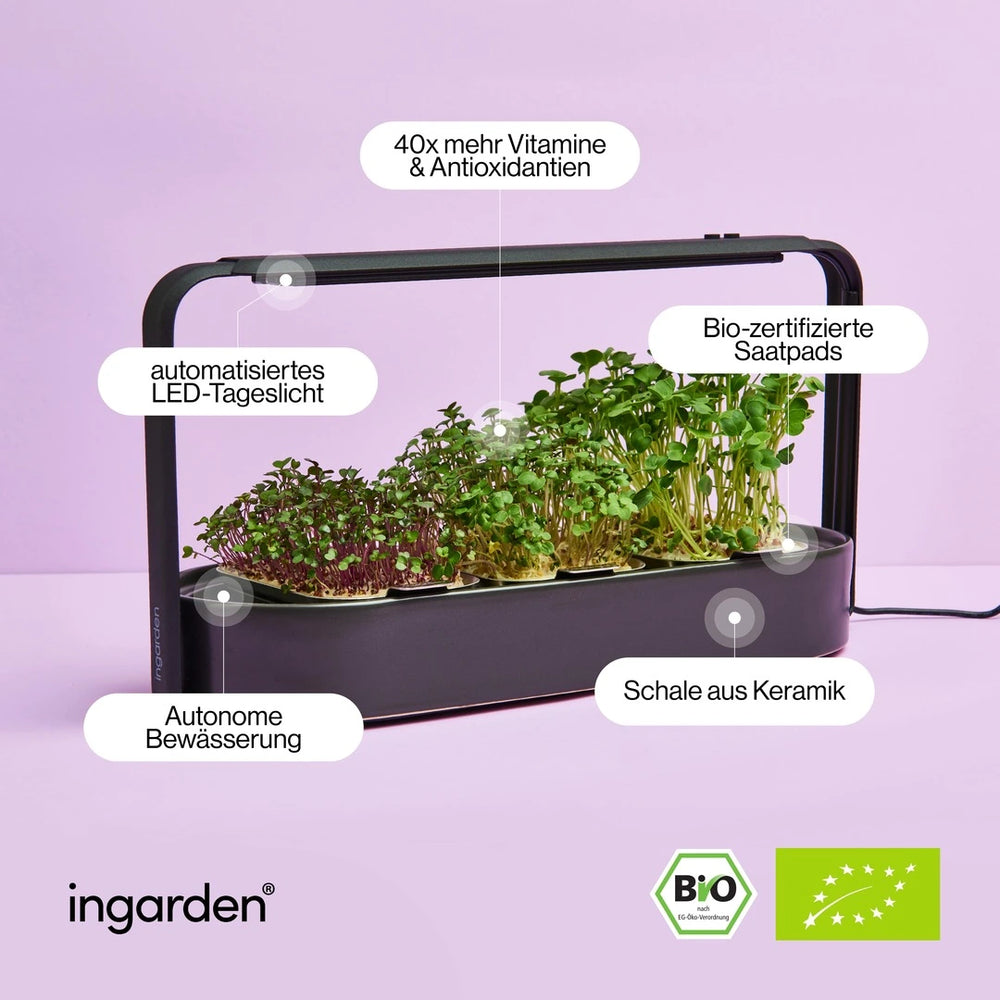



Get your ingarden™
Delivery in 7 days due to high demand 📦
-
1x ingarden fully automatic1 device€179€149
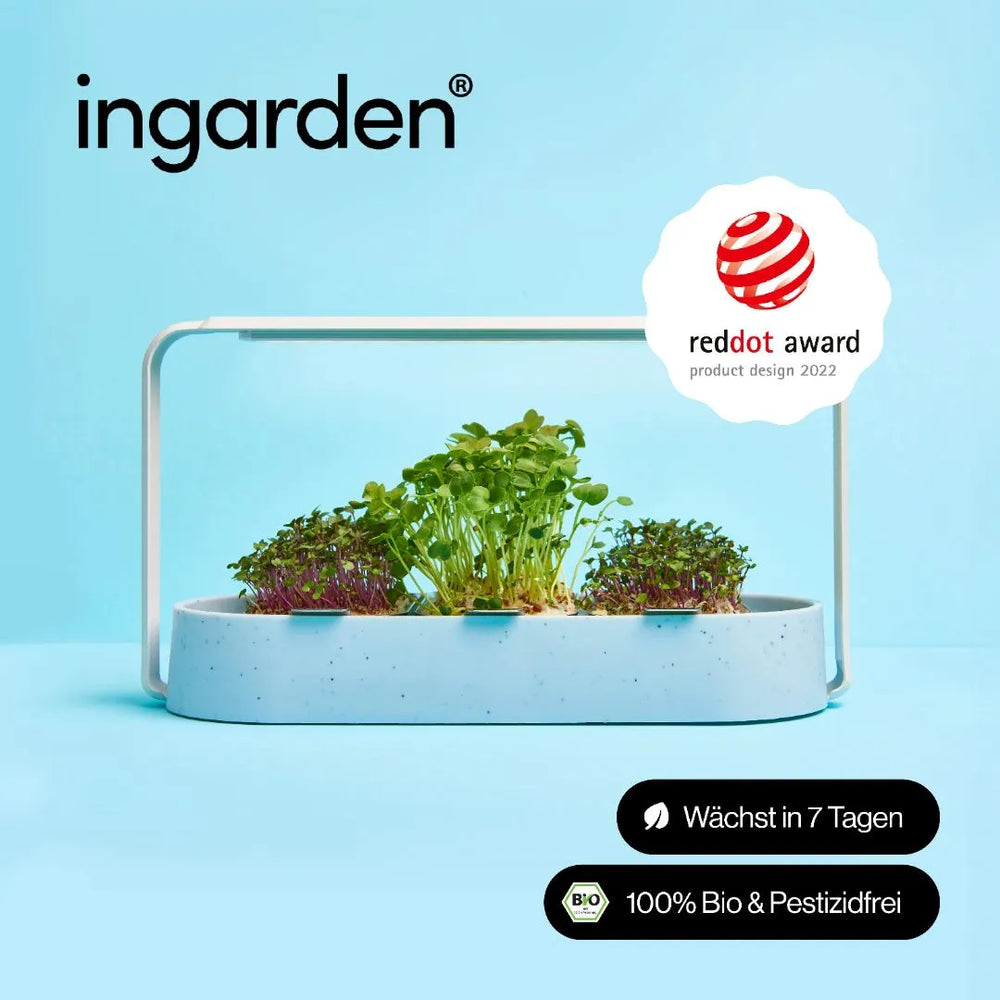
Stainless steel, optionally recycled ocean plastic or ceramic (+10 €), H20xL39xW15 cm, 3.5 kg, Red Dot Design Award
-
Two months of mini vegetablesFree€23.98€0
After that, only €11.99 per month – can be cancelled at any time.
-
Shipping within Germany / AustriaFree€6€0
Delivery in 2-3 working days.
-
In total- 60 €€208.98€149
Broccoli microgreens nutritional analysis
We've conducted the most comprehensive analysis to date. Our analysis highlights the impressive health benefits of broccoli microgreens, making them an excellent addition to any diet. Also, take a look at the full nutritional analysis below.
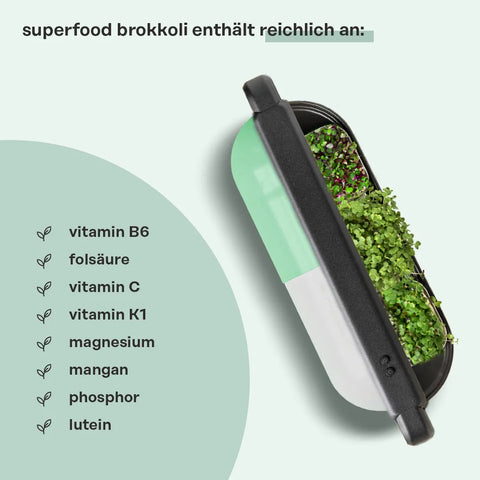
Nutritional values of broccoli microgreens
Dark, oval leaves envelop the mildly sweet and nutty flavor.
Contains plenty of ...
- Folic acid : For the immune system, energy and cell division
- Vitamin C : For the immune system, stress, and iron absorption
- Vitamin K1 : For blood clotting, bone and tooth formation
- Magnesium : For reducing fatigue, electrolyte balance, energy, muscles and bones
- Manganese : For stress, energy, bones and connective tissue
Broccoli microgreens: A complete nutritional breakdown
| Empfohlene Tagesdosis | broccoli | |
|---|---|---|
| Vitamin B1 (Thiamine) | 1mg | 0.05mg (5%) |
| Vitamin B2 (R5P) | 1.1mg | 0.07mg (6%) |
| Vitamin B3 (Niacin) | 12mg | 0.7mg (7%) |
| Vitamin B6 | 1.2mg | 0.13mg (10%) |
| Vitamin B8 (Biotin) | 30μg | 2.62μg (9%) |
| Vitamin C | 95mg | 24.1 mg (25%) |
| Vitamin E | 12mg | 0.25mg (2%) |
| Vitamin K1 | 60μg | 36.5μg (61%) |
| Folic acid | 300μg | 33.1μg (11%) |
| Choline | 400mg | 31.3 mg (8%) |
| calcium | 700mg | 65mg (9%) |
| iron | 10mg | 0.73mg (7%) |
| magnesium | 300mg | 45mg (15%) |
| manganese | 2mg | 0.7mg (35%) |
| Lutein | 6mg | 1.98mg (33%) |
| potassium | 4,000mg | 250mg (6%) |
| zinc | 7mg | 0.4mg (6%) |
| phosphorus | 700mg | 73mg (10%) |
| copper | 1mg | 0.05mg (5%) |
| Beta-carotene | - | 953μg |
Key findings
Compared to 100g of raw supermarket broccoli*, 100g of organic broccoli microgreens from ingarden contain:
- 424% more biotin
- 169% more manganese
- 150% more magnesium
- 12% more calcium
- 4% more lutein
* Source
* Source
The nutritional values of our microgreens may vary as they are a natural product.
| Empfohlene Tagesdosis | arugula | |
|---|---|---|
| Vitamin B1 (Thiamine) | 1mg | 0.06mg (6%) |
| Vitamin B2 (R5P) | 1.1mg | 0.09mg (9%) |
| Vitamin B3 (Niacin) | 12mg | 0.03mg (3%) |
| Vitamin B6 | 1.2mg | 0.14mg (12%) |
| Vitamin B8 (Biotin) | 30μg | 5.15μg (17%) |
| Vitamin C | 95mg | 11mg (12%) |
| Vitamin E | 12mg | 0.33mg (3%) |
| Vitamin K1 | 60μg | 17.2μg (29%) |
| Folic acid | 300μg | 57.4μg (19%) |
| Choline | 400mg | 17.3 mg (4%) |
| calcium | 700mg | 42mg (6%) |
| iron | 10mg | 2.2mg (22%) |
| magnesium | 300mg | 33mg (11%) |
| manganese | 2mg | 0.74mg (37%) |
| Lutein | 6mg | 4.42 mg (74%) |
| potassium | 4,000mg | 360mg (9%) |
| zinc | 7mg | 0.8mg (11%) |
| phosphorus | 700mg | 53mg (8%) |
| copper | 1mg | 0.07mg (7%) |
Key findings
Compared to 100g of raw supermarket arugula*, 100g of organic arugula microgreens from ingarden contain:
- 57% more iron
- 56% more manganese
- 51% more folic acid
- 24% more lutein
- 13% more choline
* Source
* Source
The nutritional values of our microgreens may vary as they are a natural product.
| Empfohlene Tagesdosis | Kale | |
|---|---|---|
| Vitamin B1 (Thiamine) | 1mg | 0.05mg (5%) |
| Vitamin B2 (R5P) | 1.1mg | 0.04mg (4%) |
| Vitamin B3 (Niacin) | 12mg | 0.5mg (5%) |
| Vitamin B6 | 1.2mg | 0.1mg (9%) |
| Vitamin B8 (Biotin) | 30μg | 1.89μg (6%) |
| Vitamin C | 95mg | 15.3 mg (16%) |
| Vitamin E | 12mg | 0.08mg (1%) |
| Vitamin K1 | 60μg | 9.11μg (15%) |
| Folic acid | 300μg | 33.8μg (11%) |
| Choline | 400mg | 18.5 mg (5%) |
| calcium | 700mg | 36mg (5%) |
| iron | 10mg | 0.51mg (5%) |
| magnesium | 300mg | 23mg (8%) |
| manganese | 2mg | 0.6mg (30%) |
| Lutein | 6mg | 1.94mg (32%) |
| potassium | 4,000mg | 250mg (6%) |
| zinc | 7mg | 0.5mg (7%) |
| phosphorus | 700mg | 39mg (6%) |
| copper | 1mg | 0.04mg (4%) |
| Beta-carotene | - | 727μg |
Key findings
Compared to 100g of raw supermarket kale*, 100g of organic kale microgreens from ingarden contain:
- 2213% more choline
- 89% more biotin
- 9% more manganese
* Source
* Source
The nutritional values of our microgreens may vary as they are a natural product.
| Empfohlene Tagesdosis | Mustard | |
|---|---|---|
| Vitamin B1 (Thiamine) | 1mg | 0.04mg (4%) |
| Vitamin B2 (R5P) | 1.1mg | 0.07mg (6%) |
| Vitamin B3 (Niacin) | 12mg | 0.1mg (1%) |
| Vitamin B6 | 1.2mg | 0.1mg (9%) |
| Vitamin B8 (Biotin) | 30μg | 7.24μg (24%) |
| Vitamin C | 95mg | 9.36 mg (10%) |
| Vitamin E | 12mg | 0.204mg (2%) |
| Vitamin K1 | 60μg | 11.2μg (19%) |
| Folic acid | 300μg | 33.1μg (11%) |
| Choline | 400mg | 60.8 mg (15%) |
| calcium | 700mg | 38mg (5%) |
| iron | 10mg | 0.95mg (10%) |
| magnesium | 300mg | 31mg (10%) |
| manganese | 2mg | 0.44mg (22%) |
| Lutein | 6mg | 0.89mg (15%) |
| potassium | 4,000mg | 240mg (6%) |
| zinc | 7mg | 0.81mg (12%) |
| phosphorus | 700mg | 58mg (8%) |
| copper | 1mg | 0.08mg (8%) |
| Beta-carotene | - | 1570μg |
Key findings
Compared to 100g of processed yellow mustard*, 100g of organic mustard microgreens from ingarden contain:
- 30-20% more Vitamin C
- 708% more lutein
- 700% more vitamin K1
- 373% more folic acid
- 171% more choline
- 45% more biotin
* Source
The nutritional values of our microgreens may vary as they are a natural product.
| Empfohlene Tagesdosis | radish | |
|---|---|---|
| Vitamin B1 (Thiamine) | 1mg | 0.08mg (9%) |
| Vitamin B2 (R5P) | 1.1mg | 0.06mg (6%) |
| Vitamin B3 (Niacin) | 12mg | 0.5mg (4%) |
| Vitamin B6 | 1.2mg | 0.16mg (13%) |
| Vitamin B8 (Biotin) | 30μg | 2.88μg (10%) |
| Vitamin C | 95mg | 14.6 mg (15%) |
| Vitamin E | 12mg | 0.58mg (5%) |
| Vitamin K1 | 60μg | 61.4μg (102%) |
| Folic acid | 300μg | 39.6μg (13%) |
| Choline | 400mg | 20.9 mg (5%) |
| calcium | 700mg | 32mg (5%) |
| iron | 10mg | 0.48mg (5%) |
| magnesium | 300mg | 33mg (11%) |
| manganese | 2mg | 0.47mg (24%) |
| Lutein | 6mg | 3mg (50%) |
| potassium | 4,000mg | 220mg (6%) |
| zinc | 7mg | 0.4mg (6%) |
| phosphorus | 700mg | 51mg (7%) |
| copper | 1mg | 0.04mg (4%) |
| Beta-carotene | - | 2110μg |
Key findings
Compared to 100g of raw supermarket radish*, 100g of organic radish microgreens from ingarden contain:
- 29900% more lutein
- 5700% more vitamin E
- 4623% more Vitamin K1
- 581% more manganese
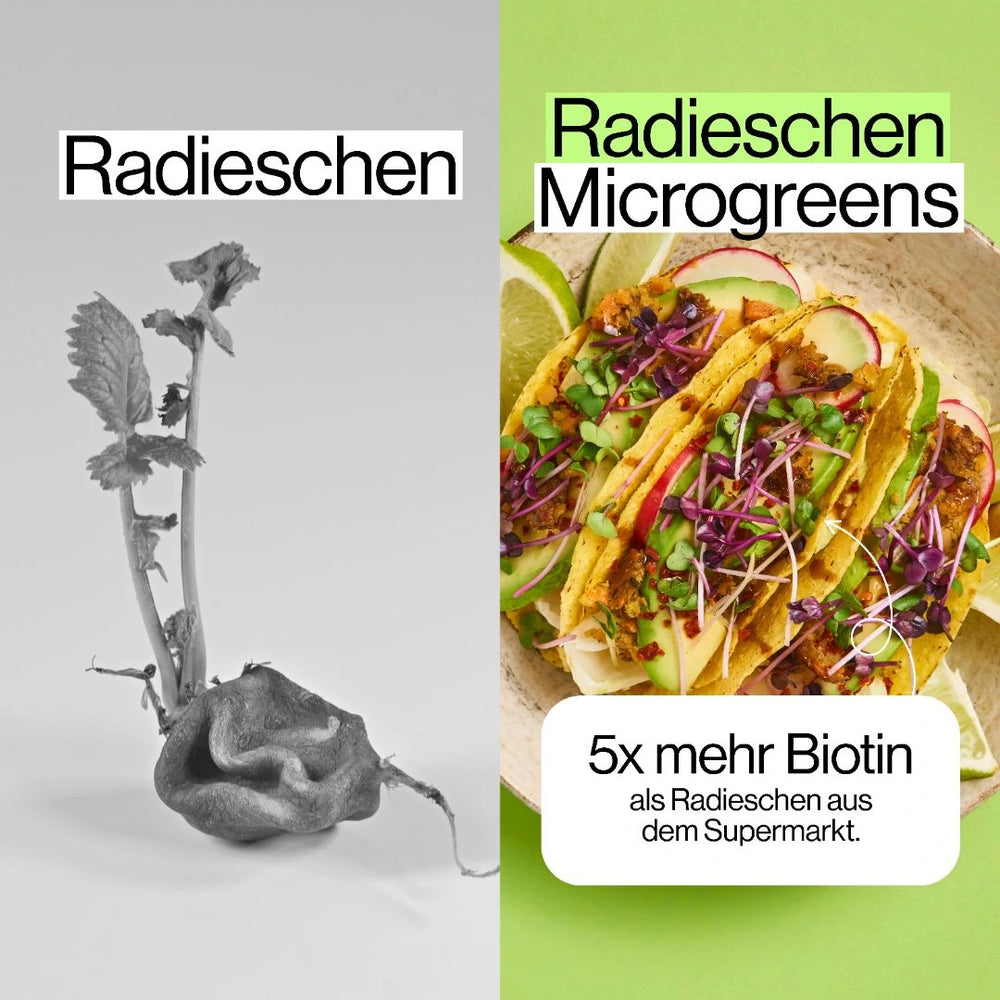
- 476% more biotin
- 313% more magnesium
- 222% more choline
- 65% more folic acid
- 20% more iron
* Source
* Source
The nutritional values of our microgreens may vary as they are a natural product.
| Empfohlene Tagesdosis | red cabbage | |
|---|---|---|
| Vitamin B1 (Thiamine) | 1mg | 0.09mg (9%) |
| Vitamin B2 (R5P) | 1.1mg | 0.08mg (7%) |
| Vitamin B3 (Niacin) | 12mg | 0.9mg (8%) |
| Vitamin B6 | 1.2mg | 0.17mg (14%) |
| Vitamin B8 (Biotin) | 30μg | 4.79μg (16%) |
| Vitamin C | 95mg | 21.7mg (23%) |
| Vitamin E | 12mg | 1.32mg (11%) |
| Vitamin K1 | 60μg | 15.9μg (27%) |
| Folic acid | 300μg | 55.8μg (19%) |
| Choline | 400mg | 53.1 mg (13%) |
| calcium | 700mg | 120mg (17%) |
| iron | 10mg | 0.76mg (8%) |
| magnesium | 300mg | 38mg (13%) |
| manganese | 2mg | 0.37mg (19%) |
| Lutein | 6mg | 0.99mg (17%) |
| potassium | 4,000mg | 220mg (6%) |
| zinc | 7mg | 0.7mg (10%) |
| phosphorus | 700mg | 67mg (10%) |
| copper | 1mg | 0.06mg (6%) |
| Beta-carotene | - | 2460μg |
Key findings
Compared to 100g of raw supermarket red cabbage*, 100g of organic red cabbage microgreens from ingarden contain:
- 270% more manganese
- 243% more calcium
- 211% more choline
- 200% more lutein
- 140% more biotin
- 138% more magnesium
- 59% more folic acid
- 52% more iron
* Source
* Source
The nutritional values of our microgreens may vary as they are a natural product.
We weren't angry about supplements, just disappointed.
Most supplements are barely absorbed by the body.
That's why we found something better: Microgreens!
Imagine organic vegetables, but:

With 40 times more nutrients
Ready to harvest in just 7 days
A feast for the palate and the eyes
Fresh harvest year-round
Perfect for any dish
100% GMO-free
Without fertilizers or pesticides
Easily digestible, no bloating
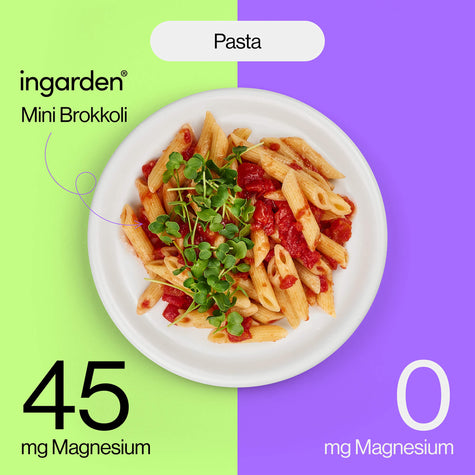
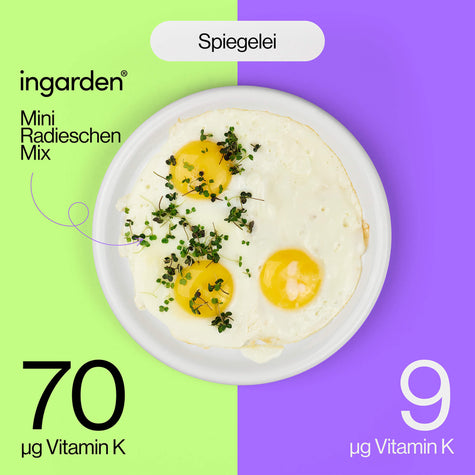
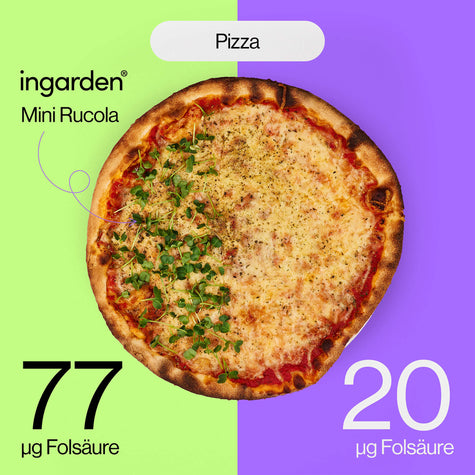
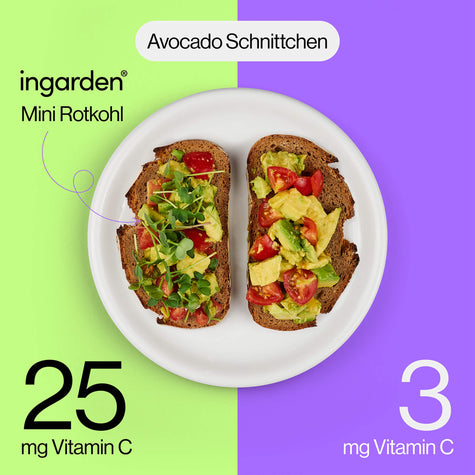
Completely without soil. And nutrients? They're contained in the organic seeds.

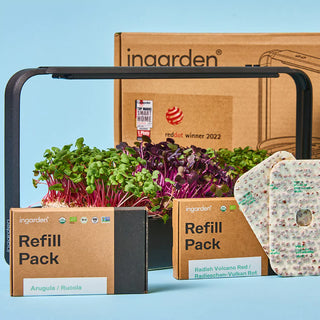
1. Insert three pads

2. Pour water over the pads.

3. Press the button
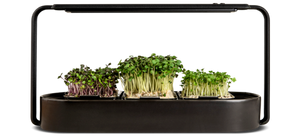
4. Assembled in 2 minutes, harvested in 7 days
Are you interested in further scientific studies on the health benefits of microgreens?
Ever since I discovered the remarkable health benefits of microgreens during my scientific research, I've been completely fascinated. The abundance of nutrients and life-giving properties packed into these tiny plants has amazed me. This is how my passion for growing microgreens at home began. Our ingardens allow people to harness the power of these remarkable little plants and experience the joy and satisfaction of growing their own fresh and nutritious food.
ingarden in comparison


Designed for maximum nutrient density
Nutrient-optimized seeds
Optimal nutrient absorption guaranteed
Fresh & tastes delicious
Grows within 7 days
Nutrients & Benefits Clinically Proven
Frequently asked questions about broccoli microgreens
Most microgreens have higher levels of vitamins and minerals than their mature counterparts. Broccoli microgreens, in particular, contain higher amounts of biotin, magnesium, and manganese, to name just a few. This makes these tiny superfoods a perfect supplement for athletes, people with weakened immune systems, or for vegetarians and vegans.
Many people think that microgreens and sprouts are the same thing, but that's not true. Of course, they have some things in common, but there are also many differences.
Sprouts are seedlings that have not yet developed roots and have not completed photosynthesis. Plants that have already developed roots are larger than seedlings.
Microgreens are small plants with tiny leaves, typically used as a topping for soups, salads, or other dishes. They have a very intense flavor and often a distinctive color. While sprouts are often eaten at a very early stage of germination, microgreens have more time to grow and develop nutrients and flavor. For this, microgreens need either soil or a nutrient-rich mat from which they can draw nutrients, as well as water and sunlight. Microgreens are then harvested a little later, after about 5-7 days, and eaten without the roots. The flavor of microgreens is much more intense than that of sprouts, and their nutrient content is many times higher.
Microgreens are young, tender plants grown from seed and typically harvested within 1-2 weeks. Despite their small size, they are packed with nutrients and boast an intense aroma and flavor. While it's possible to incorporate these tiny superfoods into a balanced diet, it's unlikely they will replace a sufficient amount of vegetables.
Vegetables provide many nutrients, including fiber, vitamins, minerals, and phytonutrients, which are important for health. While microgreens contain some of these nutrients in higher concentrations than mature plants, they typically lack fiber and a broader nutrient profile.
Make sure you get a broad nutritional profile. It's important to include other sources of fiber, such as whole grains, legumes, and fruit, in your diet.
Overall, microgreens can be a healthy addition to a balanced diet, but should not be used as a substitute for vegetables.
It is advisable to use special broccoli microgreen seeds, as they germinate faster and produce better results than regular broccoli seeds. Our seeds originate from the Emilia-Romagna region of Italy and the Netherlands. They come exclusively from trusted and certified organic growers, meaning our seeds have been certified organic by accredited bodies that verify the absence of artificial fertilizers, herbicides, or pesticides. Each batch of seeds is tested for microbiological safety by laboratories according to HACCP standards. All seed batches are tested for a guaranteed 90% germination rate, as well as for appearance and integrity. The seeds are handled only by certified organic producers who prevent cross-contamination and adhere to the highest hygiene standards.
Microgreens are incredibly versatile and can be used in a variety of dishes to add flavor, texture, and nutrients. Broccoli microgreens pair well with salads , breakfast spreads , or soups . Get creative and experiment with different ways to incorporate these tiny superfoods into your meals! Check out our recipes for more inspiration.
Meet ingarden. Supplements in fresh and green.
Dein smarter Indoor-Garten für frische Microgreens NEU: jetzt mit doppelter Anbaufläche erhältlich
get started



The information provided on this website is for educational purposes only and does not replace professional medical advice. Always seek the advice of your doctor or qualified nutritionist before using any information to treat or prevent medical conditions.